
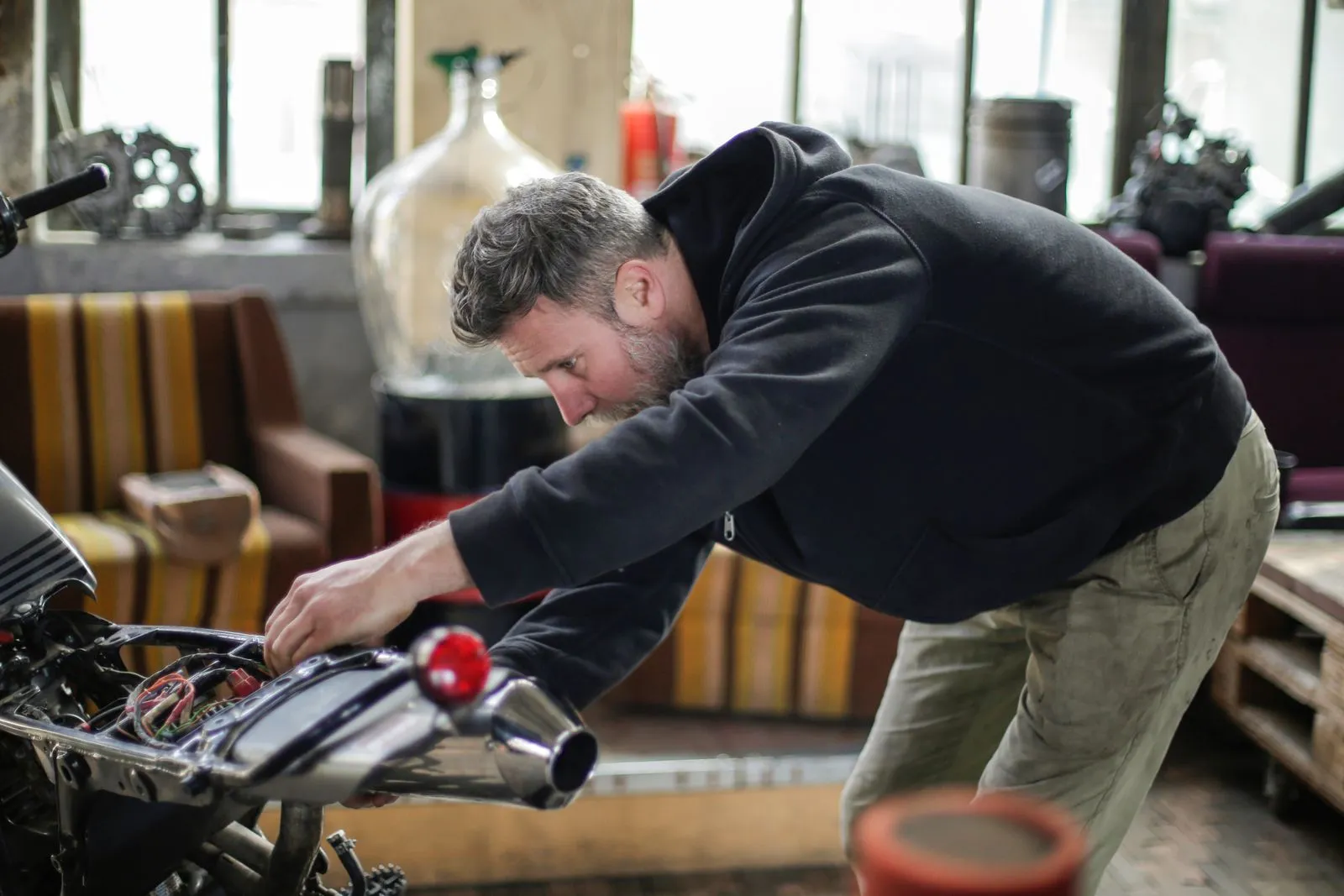
An engine diagnosis starts with the symptoms you notice: perhaps a hard start, unusual noise, loss of power, smoke, or a warning light. A mechanic uses those details to guide an inspection, then checks the motorcycle and runs appropriate tests to narrow down the cause. The goal is not to guess from one symptom, but to gather evidence and explain what it means. Knowing the usual steps can help you share useful information and understand the recommended repairs.
Start With Your Symptoms
Expect the mechanic to ask when the problem began and how often it happens. Be ready to describe whether it occurs during a cold start, after the engine warms up, at idle, or while accelerating. Mention recent repairs, maintenance, a fall, long storage, or changes in fuel. Details that seem minor—such as a noise that disappears after a few minutes—can help narrow the inspection.
Bring notes if the issue comes and goes. Include any warning lights, changes in fuel use, visible leaks, smoke color, or unusual smells. A short video or clear photo can help show a sound or symptom that does not happen while the motorcycle is at the shop. Avoid trying to reproduce a serious problem on the road; tell the mechanic what happened and let them decide whether a test ride is appropriate.
Inspect and Test the Motorcycle
The mechanic may begin with a visual check for loose connections, damaged hoses, fluid leaks, worn parts, or signs of overheating. They may review fluid levels and condition, battery connections, air intake, fuel delivery, and ignition components. The exact checks depend on your motorcycle, its engine design, and the symptoms you reported. An initial inspection can reveal a simple issue, but it does not always confirm the root cause.
Next, the mechanic may start the engine, listen for changes, and check how it idles or responds to the throttle. Depending on the suspected problem, they may use diagnostic equipment, inspect spark plugs, check fuel or electrical systems, or measure engine compression. Some faults only appear under particular conditions, so testing may take more than one step. Ask what each test is meant to confirm before approving additional work.
Understand the Findings
A useful diagnosis connects the evidence to a likely cause. For example, a starting problem could involve the battery, ignition, fuel system, or engine condition. The mechanic should explain which checks support the finding and whether the cause is confirmed or still a possibility. If testing rules out one suspected part, that is useful information too; it helps prevent replacing parts without a clear reason.
Ask the mechanic to separate urgent safety or engine-protection concerns from repairs that can wait. Request a plain-language explanation of what may happen if you delay a recommended repair. If the evidence is inconclusive, ask what additional test would help and what the shop needs your approval to do next. A clear answer should include the limits of what is known, not just a list of parts to replace.
Review Repair Options
Before repair work begins, ask for the proposed work in writing, including the parts or systems involved, any additional testing, and the estimated labor and parts charges. Confirm whether the estimate could change if the mechanic finds more damage after disassembly, and how the shop will contact you for approval. This gives you a chance to understand the plan before costs or work expand.
After the repair, ask what was corrected and whether the mechanic verified the result with a start-up, measurement, or road test. Find out if any follow-up inspection or break-in guidance applies to the work performed. Keep the estimate and repair record with your maintenance notes. Chattanooga Engine Works can discuss engine concerns and explain the diagnostic steps before you decide how to proceed.
A thorough motorcycle engine diagnosis combines your description of the problem with inspection and targeted tests. Share specific symptoms, ask what the evidence shows, and get approval details before repair work starts. If your engine is acting differently, contact a qualified mechanic to discuss the symptoms and the next sensible step.